
We refuse to fund our own demonisation

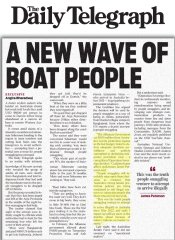
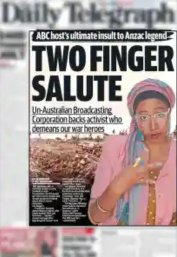
The Daily Telegraph has built its business on targeting, vilifying, and profiting from Australia’s minority communities. This boycott is our collective response.

Why Boycott the Daily Telegraph?

  • The Daily Telegraph profits by targeting our communities.
  • Racism and misinformation have shaped their front pages for decades.
  • The paper holds outsized influence over media narratives and political agendas.

A Snapshot

The numbers tell the story (News Corp)

More coverage on Muslims (2024)
Negative stories (2017)
Hostile front pages (2017)
Negative commentary on Muslim (2018-2020)
  • News Corp systematically frames Islam with securitisation, othering and violence, in contrast to The Age’s more positive framing (Ghauri & Umber, 2017).
  • 3,000 Islam-linked negative articles in 5 News Corp papers; 152 negative front pages; key columnists devoting 31–54% of their opinion output to Islam (One Path Network, 2017).
  • News Corp reaches two-thirds of the population and “regularly promotes anti-Muslim views”; its content circulates in white nationalist networks (Western Sydney University, 2024).

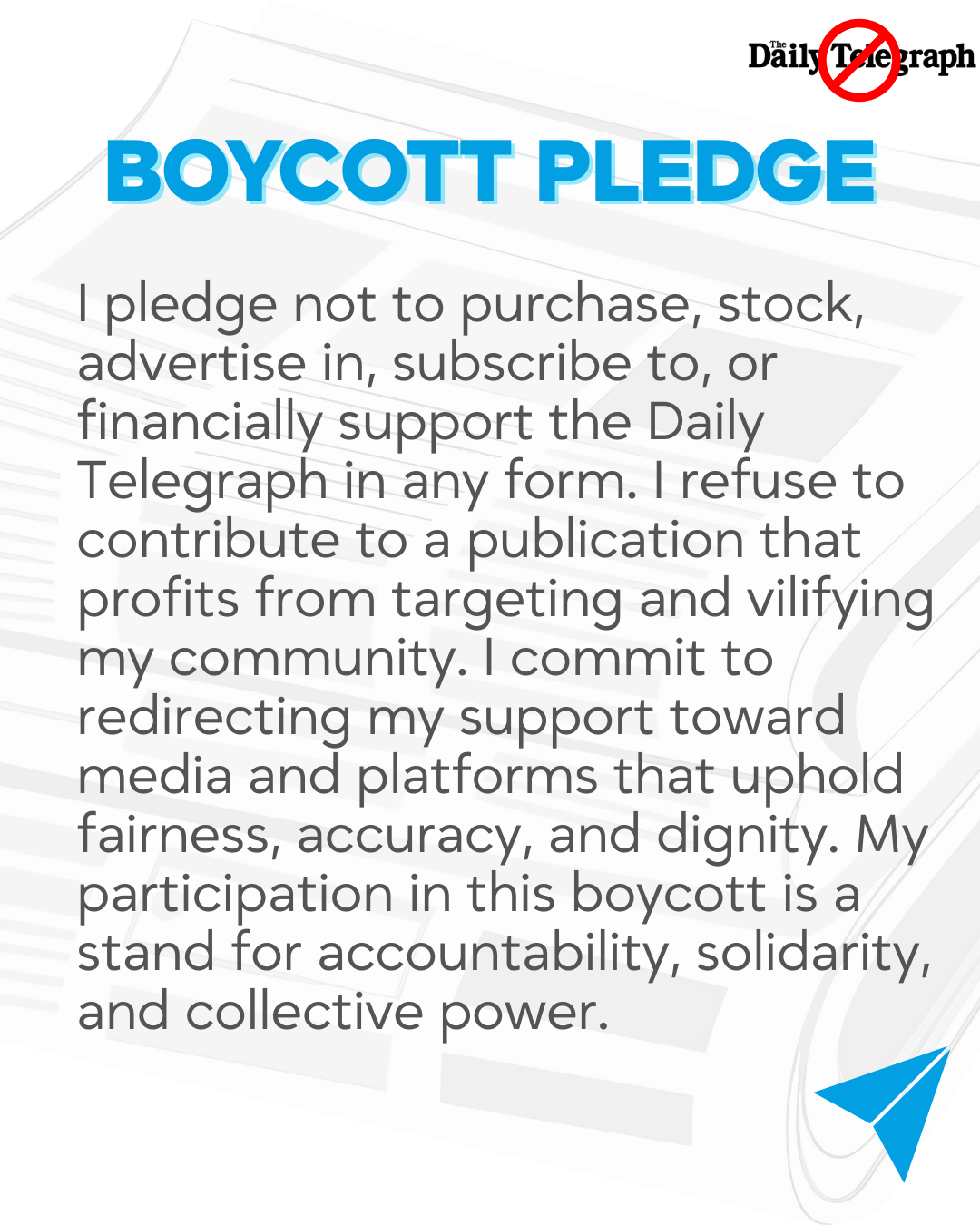
Read the pledge

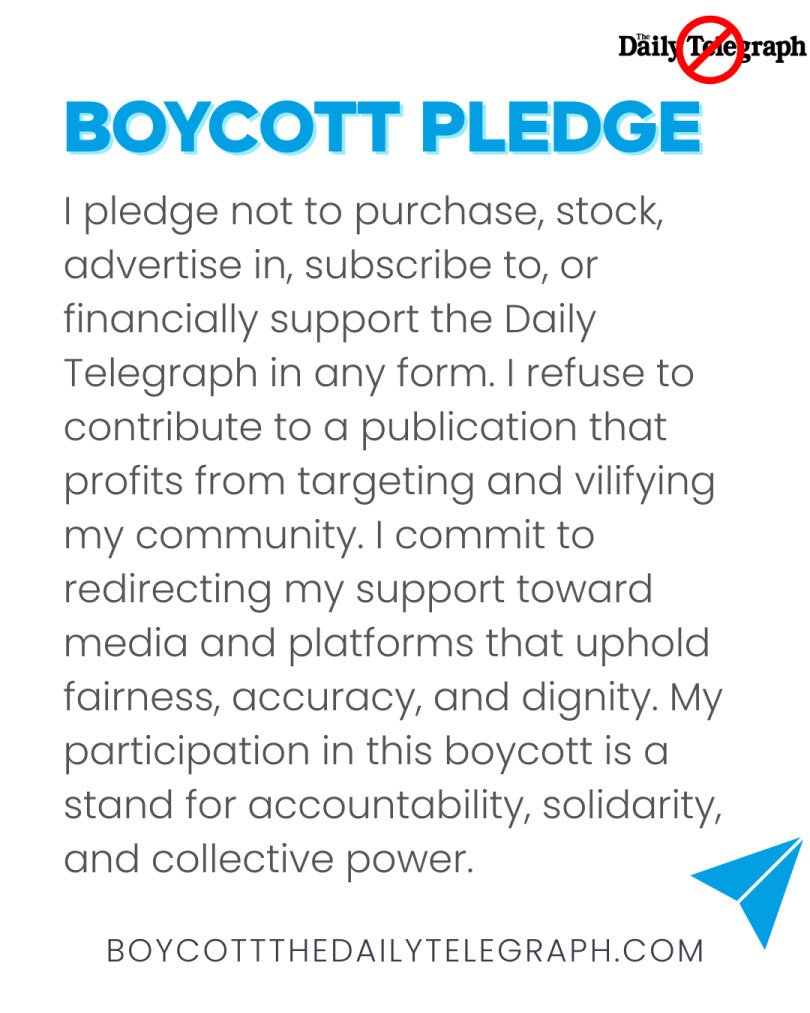
I pledge not to purchase, stock, advertise in, subscribe to, or financially support the Daily Telegraph in any form. I refuse to contribute to a publication that profits from targeting and vilifying my community. I commit to redirecting my support toward media and platforms that uphold fairness, accuracy, and dignity. My participation in this boycott is a stand for accountability, solidarity, and collective power.

Register here

Boycott Daily Telegraph

Download Pledge

FAQ

We are boycotting the Daily Telegraph because it has built a long-standing business model on vilifying minority communities, fuelling division, and amplifying misinformation for profit. Its front pages have consistently targeted Muslims, First Nations people, refugees, Asian communities, Palestinians, and other vulnerable groups. A boycott is a peaceful, democratic tool that allows the public to hold powerful media institutions accountable when they cause harm.

Yes. A boycott is a lawful form of collective expression and consumer choice. Individuals and organisations are free to decide which businesses, media outlets, or products they support financially. This campaign does not engage in harassment or coercion; it simply asks people and businesses to withdraw financial support from a publication that perpetuates harm.

Yes. Boycotts have historically been one of the most effective tools for shifting corporate behaviour. When readers stop purchasing or supporting a paper, it directly impacts circulation, advertising value, and political influence. If enough people withdraw support, the institution is forced to either change its practices or face lasting financial and reputational consequences.

The Telegraph is one of Australia’s most influential tabloids and has a documented pattern of targeting minority communities with sensational, misleading, and inflammatory coverage. Its narratives shape public opinion, political debate, and policy decisions. When a single media outlet consistently punches down at vulnerable groups, it becomes necessary to challenge that power directly and publicly.

Sydney, especially Western and Southwest Sydney, is the Telegraph’s strongest market and the foundation of its remaining print revenue. These are the same communities the paper regularly stereotypes and politicises. Targeting the region where the Telegraph relies most heavily on readership creates the highest impact with the least effort, and exposes the contradiction at the heart of their business model.

No. This campaign is not against journalism or freedom of expression — it is against harmful, misleading, and targeted reporting. Ethical journalism strengthens democracy; fear-based narratives and dehumanisation damage it. Boycotting a publication that repeatedly harms communities is an act of accountability, not censorship.

We want the Telegraph to end the pattern of demonising minority groups, to report accurately and responsibly, and to stop using sensationalism to inflame public fear. We also expect transparency when mistakes are made and a commitment to fair coverage of all communities. The goal is not destruction — it is transformation through public pressure.

Individuals can stop buying the paper, cancel subscriptions, avoid clicking Telegraph links, and share boycott information with friends, family, and networks. They can also sign the pledge, join the volunteer team, and help local businesses remove the Telegraph from their shelves. Every person who withdraws support contributes to real impact.

Businesses can refuse to stock or display the Telegraph, decline to advertise with them, and publicly support community-led accountability. Organisations can amplify boycott materials, host conversations, and help educate their members about the harmful effects of targeted media. Collective action across institutions dramatically increases the boycott’s visibility and influence.

No. The campaign targets the institution, not individuals. We recognise that many people purchase the Telegraph out of habit or convenience. Our goal is to inform the public about the damage caused by the paper’s reporting and invite them to make a conscious choice to no longer support it financially.

The boycott continues until the Telegraph demonstrates measurable, consistent change in its reporting practices. This includes ending targeted vilification, abandoning sensationalised racial and religious narratives, and adopting transparent standards of accuracy and accountability. The campaign has no deadline because accountability has no expiry.

Even large corporations depend on local revenue streams, circulation numbers, and public trust. By withdrawing financial support from key markets, especially Sydney and Southwest Sydney, the community disrupts the Telegraph’s influence where it matters most. Boycotts don’t need to shut down an institution — they need to force meaningful change through pressure.

This campaign is about justice, accountability, and community protection — not partisanship. We reject any political party or institution that enables or benefits from harmful media practices. Standing against targeted misinformation is not “political,” it is ethical.

After signing the pledge, you’ll receive updates, resources, and opportunities to contribute. You can help by spreading awareness, supporting outreach, joining events, and engaging local businesses. Signing is the first step, growing the movement is the next.

Do you have a story to share?

We would love to hear from you, and so would the rest of the world.

Your Story